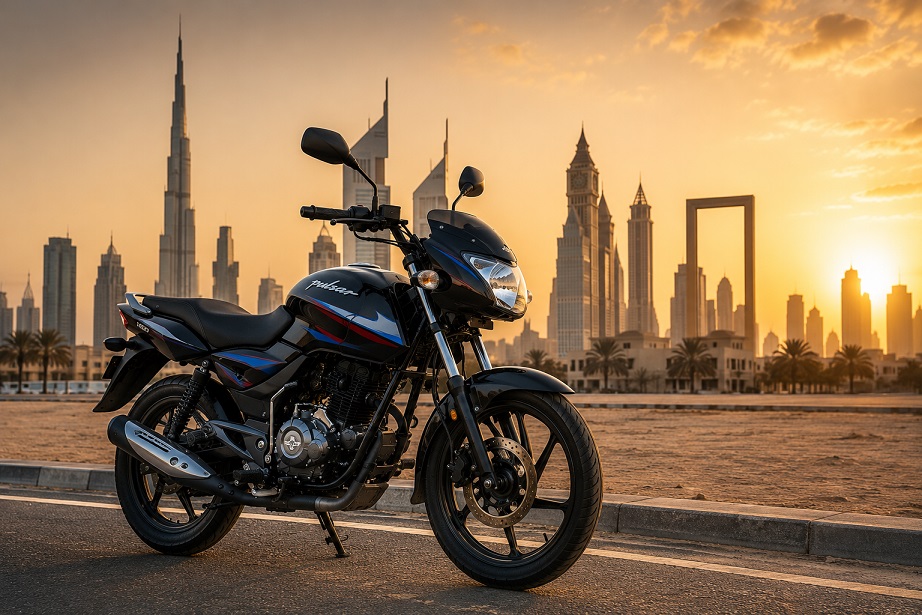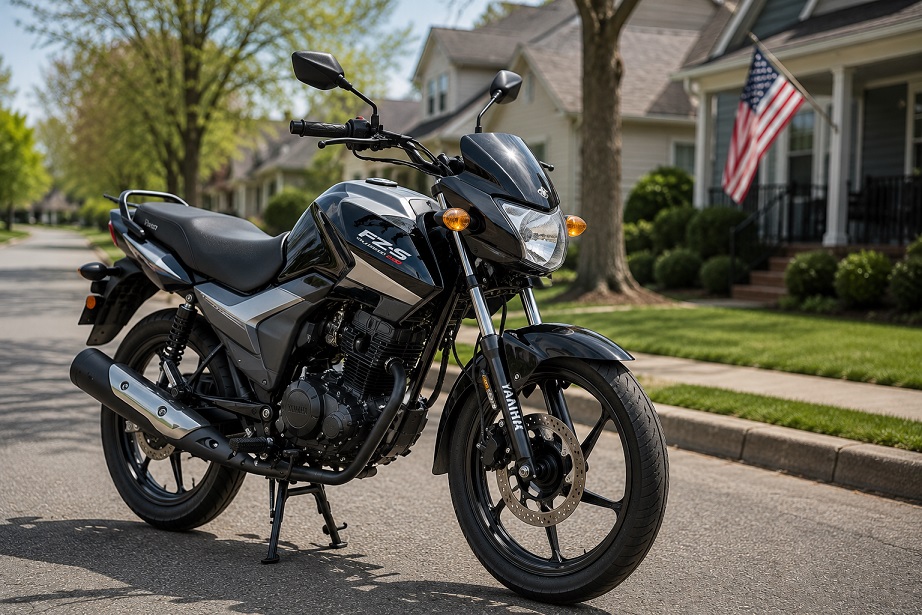
 YAMAHA
 SUZUKI
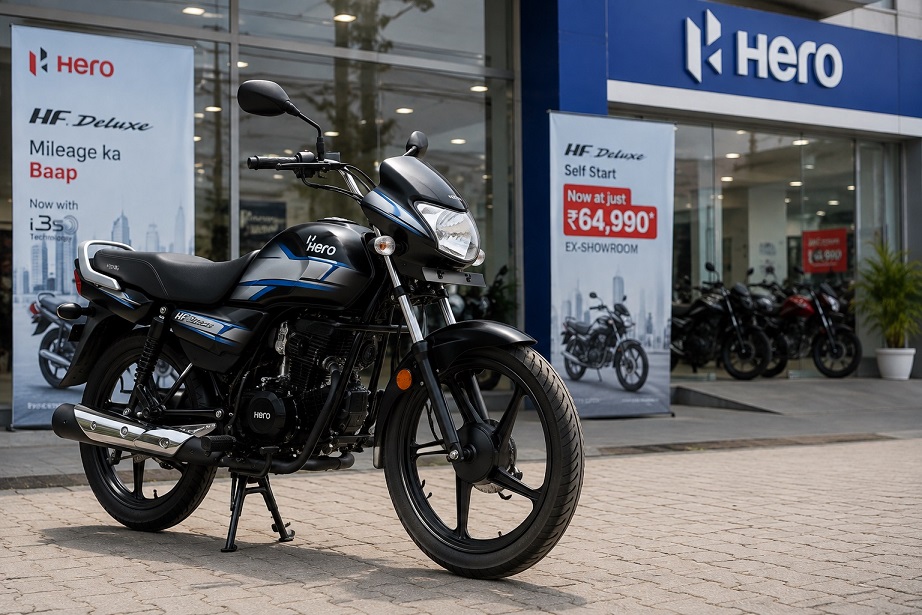
 HONDA
HONDA


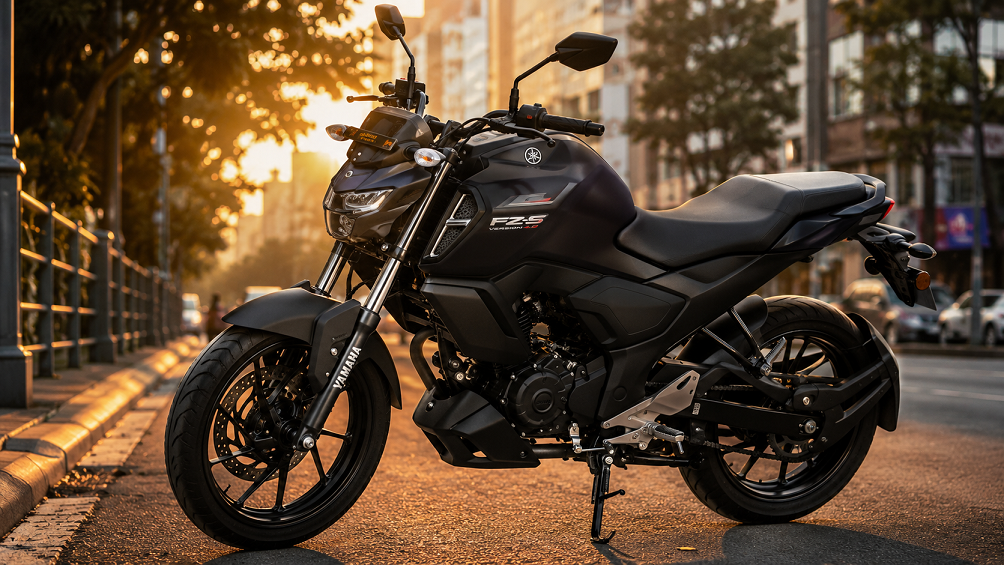
Best 150cc Motorcycles in 2026: Top Picks for Daily Commuters Worldwide
A complete buying guide for riders who want performance, mileage, and value in one package.
Choosing the right motorcycle for daily commuting comes down to one sweet spot: enough power to feel confident on the road, but not so much that fuel costs and maintenance eat into your budget. That sweet spot, for millions of riders around the world, is the 150cc segment. It's the class that balances performance, efficiency, and affordability better than almost any other engine size on the market.
If you're searching for the best 150cc motorcycles 2026 has to offer, this guide breaks down what actually matters — performance, mileage, comfort, and long-term value — so you can make a decision you won't regret six months down the road.
Why 150cc Motorcycles Are Still the Smart Choice in 2026
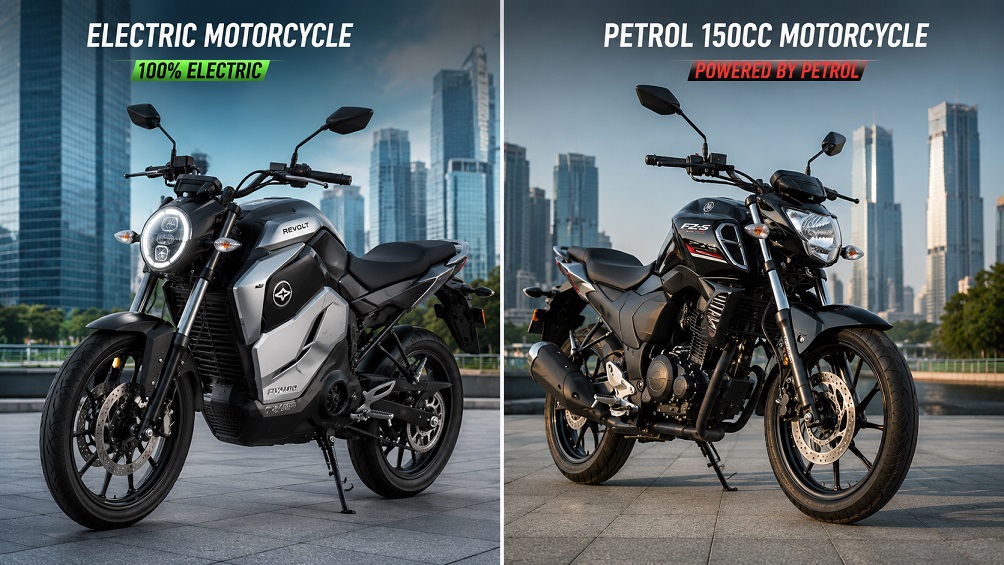
Electric bikes and bigger-displacement machines get a lot of attention, but the 150cc commuter bike remains the backbone of daily transportation in cities across the globe. Here's why riders keep coming back to this class:
- Fuel efficiency without sacrificing power. Most 150cc engines deliver 45–65 km/l depending on riding conditions, which matters a lot when fuel prices fluctuate.
- Lower insurance and registration costs compared to 200cc+ bikes in most countries.
- Manageable weight and handling, which makes them ideal for new riders and experienced commuters navigating heavy traffic.
- Lower maintenance costs, since parts and servicing for this segment are widely available and inexpensive almost everywhere.
For anyone commuting daily — whether that's through the streets of Dhaka, the highways of the Gulf, or suburban roads in the US — a 150cc bike hits the balance between practicality and enjoyment.
What to Look for Before Buying a 150cc Motorcycle
Before jumping into specific models, it helps to know what separates a good commuter bike from a mediocre one.
1. Mileage and Fuel Economy
This is usually the number one priority for daily riders. Look for bikes with fuel-injection systems (FI) rather than older carbureted engines, since FI models consistently deliver better mileage and smoother throttle response.
2. Build Quality and Durability
A commuter bike needs to survive years of daily use — potholes, heat, rain, and stop-and-go traffic. Check for corrosion-resistant frames, quality suspension, and a strong service network in your area.
3. Comfort for Long Rides
If your commute is longer than 20–30 minutes, seat design and riding posture matter more than raw horsepower. Look for a slightly upright seating position and a well-cushioned seat.
4. Braking and Safety Features
In 2026, most reputable manufacturers now include ABS (Anti-lock Braking System) even in the 150cc segment. This is a non-negotiable safety feature — don't settle for a bike without it.
5. Resale Value
Certain brands hold their value far better than others. Researching resale trends in your specific country can save you a significant amount of money later.
Top 150cc Motorcycle Categories to Consider
Rather than naming a single "winner" (since availability and pricing vary drastically by country), here's how to think about the best 150cc motorcycles by category:
Best for Pure Commuting
Look for models known for low maintenance costs and class-leading fuel economy. These are typically the highest-selling bikes in any given market because they're built specifically for reliability over long ownership periods.
Best for a Sporty Feel
Some 150cc bikes are tuned for slightly higher performance with a sportier riding position, upgraded suspension, and better cornering stability — ideal if your commute includes some open road or you simply want more excitement out of daily riding.
Best Value for Money
Entry-level 150cc bikes from established manufacturers often deliver 90% of the performance of premium models at a noticeably lower price. If budget is your primary concern, these are worth serious consideration.
Best for Long-Term Reliability
Brands with decades of presence in a market — and strong local service networks — typically outperform newer entrants when it comes to long-term reliability, even if the newer bikes look more attractive on paper.
Cost of Ownership: What to Really Expect
A common mistake buyers make is focusing only on the sticker price. The real cost of owning a 150cc motorcycle includes:
- Fuel costs over 3–5 years of ownership
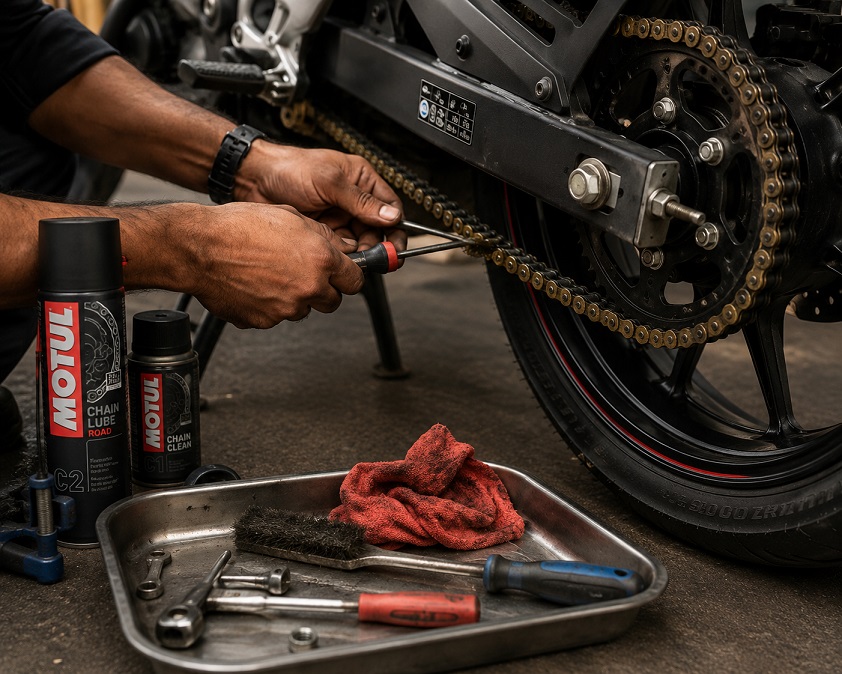
- Scheduled maintenance (oil changes, chain/sprocket replacement, brake pads)
- Insurance (mandatory in most countries)
- Registration and taxes, which vary significantly by region
- Resale depreciation
Calculating these costs together — not just the upfront price — gives you a much more accurate picture of whether a bike fits your budget long-term.
Riding Conditions Matter: Match the Bike to Your Environment
A bike that performs beautifully in cool, dry climates might struggle in extreme heat or humidity. If you're riding in hot climates, prioritize models with better cooling systems (oil-cooled or liquid-cooled engines tend to outperform purely air-cooled engines in sustained high temperatures). For riders in areas with frequent rain or rough roads, prioritize ground clearance and tire quality over top speed.
Final Thoughts: Making the Right Choice
The best 150cc motorcycle for you isn't necessarily the one with the highest horsepower or the flashiest design — it's the one that matches your daily riding conditions, budget, and long-term ownership costs. Before making a final decision:
- Test ride at least two or three models if possible
- Talk to current owners about real-world mileage and reliability
- Check parts availability and service costs in your specific area
- Compare total cost of ownership, not just the purchase price
A 150cc motorcycle remains one of the smartest investments for daily commuting in 2026 — combining efficiency, affordability, and enough performance to make every ride enjoyable. Take the time to research thoroughly, and you'll end up with a bike that serves you reliably for years to come.