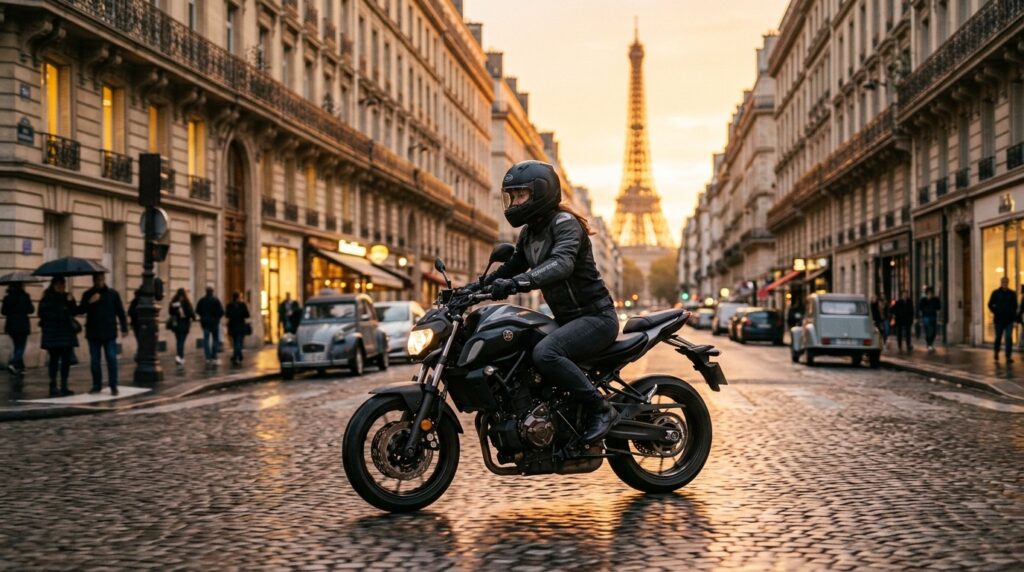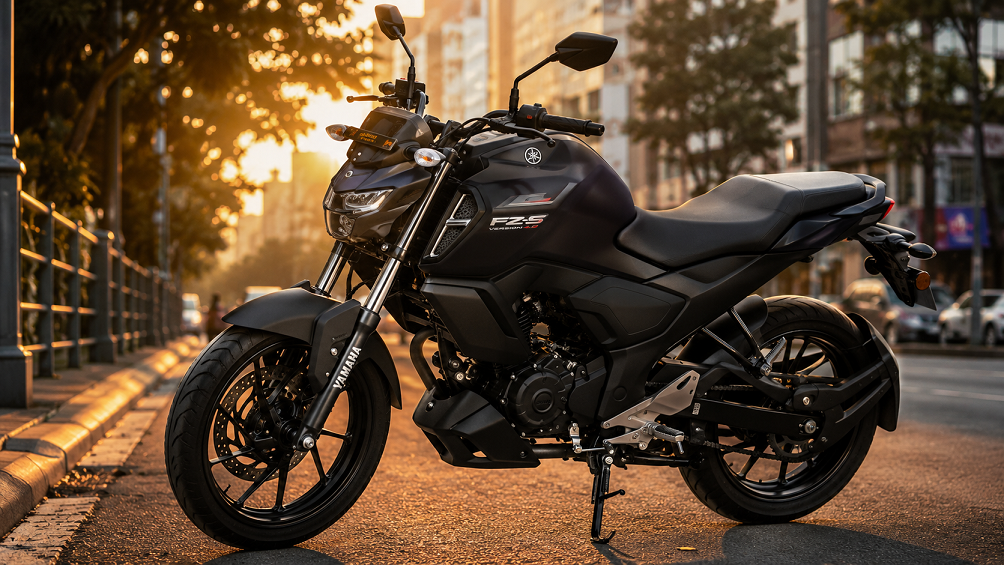
 YAMAHA
 SUZUKI
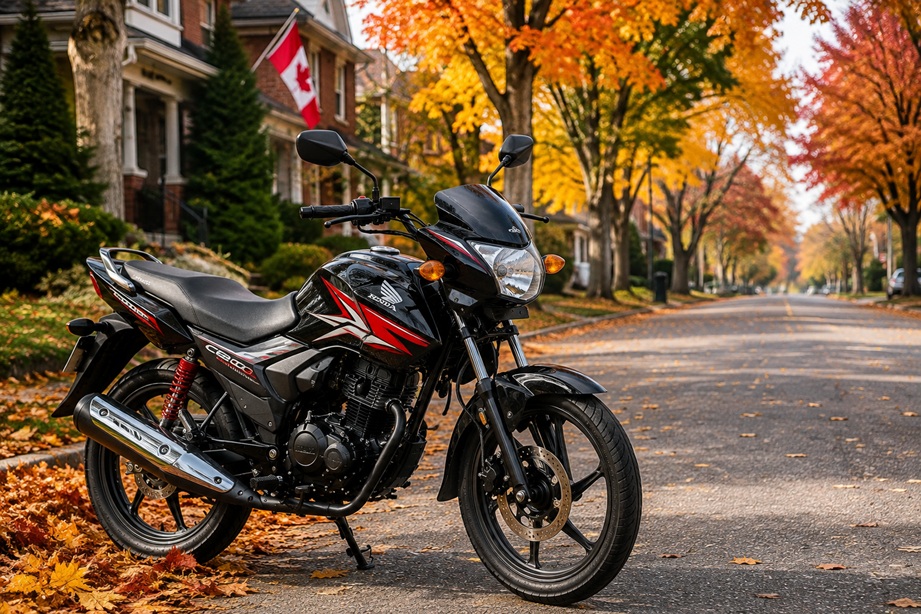
 HONDA
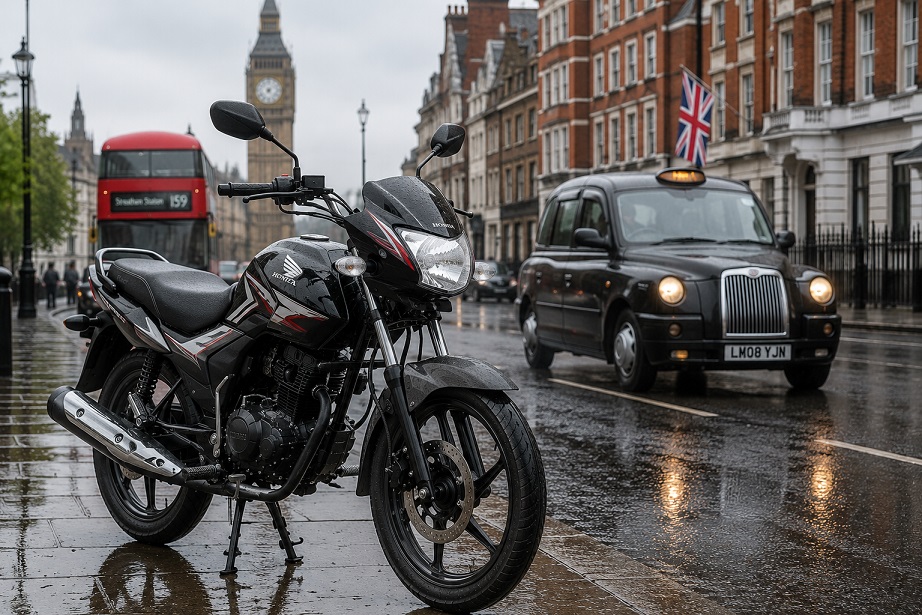
HONDA


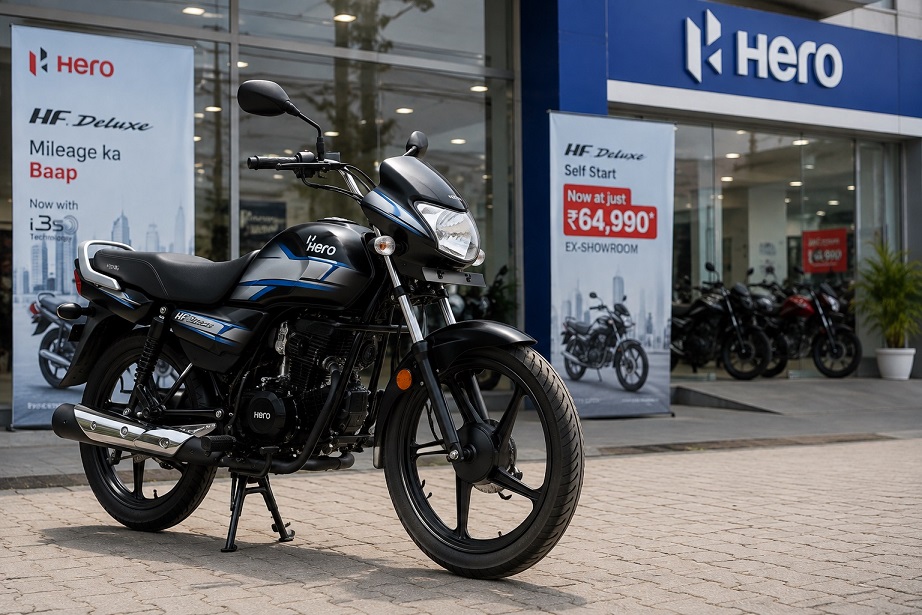
Best Motorcycles Under $3000 in 2026: Global Buying Guide
What you can realistically expect at this budget — and how to avoid overpaying for the wrong bike.
A $3000 budget puts you in one of the most competitive segments of the motorcycle market. It's enough to get a genuinely reliable, well-equipped commuter or light touring bike — but it's also a price point where corners get cut if you're not careful. This guide breaks down exactly what to expect, what to prioritize, and how to avoid common budget-buyer mistakes.
What $3000 Actually Gets You in 2026
Depending on your country, import taxes, and local market, a $3000 budget typically falls into one of these categories:
Exact availability depends heavily on your country's import duties and local taxes, so treat this as a general guide rather than an exact price map.
Priorities to Focus On at This Budget
At $3000, you generally can't have everything — so knowing what to prioritize matters more than chasing a spec sheet.
1. Reliability Over Features
A bike with fewer bells and whistles but a proven, reliable engine will save you far more money over 3–5 years than one packed with features but known for frequent breakdowns.
2. Parts Availability
Before buying, check how easy and affordable it is to find spare parts for that specific model in your area. A great bike with hard-to-find parts becomes a expensive headache the moment something breaks.
3. Safety Features Are Non-Negotiable
At this budget, don't skip ABS or combined braking systems to save a small amount of money. The safety difference is significant, especially for new or inexperienced riders.
4. Fuel Efficiency
Since you're already budget-conscious on the purchase price, make sure the bike doesn't cost you more over time through poor fuel economy. Look for realistic, real-world mileage figures rather than manufacturer claims alone.
Common Mistakes Budget Buyers Make
- Chasing top speed numbers instead of focusing on daily usability and comfort.
- Ignoring resale value — some budget bikes depreciate far faster than others.
- Skipping a test ride because the price seems reasonable on paper.
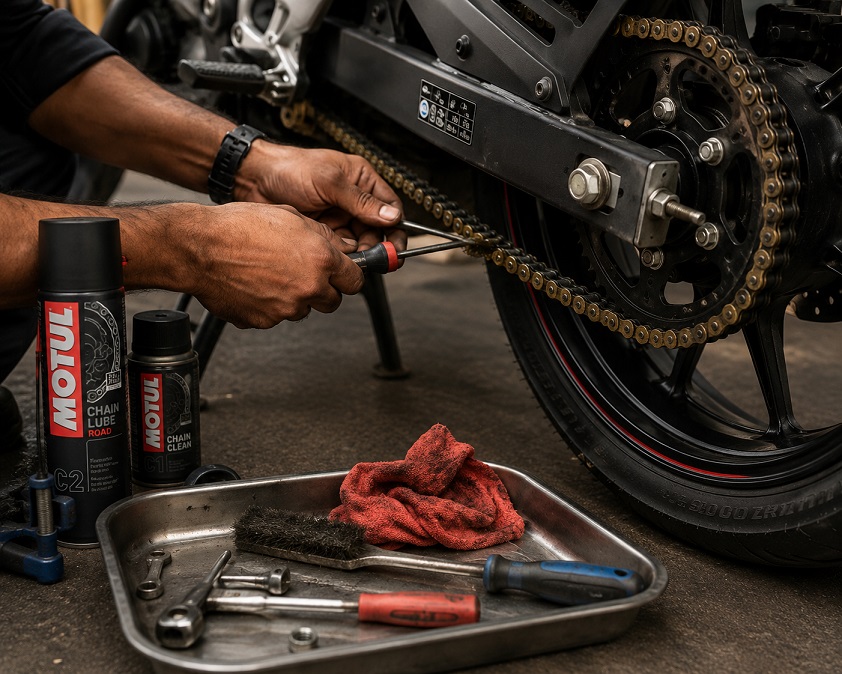
- Underestimating total cost of ownership, including insurance, registration, and routine maintenance.
- Buying based on looks alone, without checking engine reliability history.
New vs Used at This Budget
At $3000, you often have a choice: a brand-new entry-level bike, or a lightly used mid-range model. Both paths can work well:
- New bike advantage: Full warranty, no unknown history, and typically lower maintenance needs in the first 1–2 years.
- Used bike advantage: Access to a higher trim level or larger engine size than you could otherwise afford new — but only if you can verify its maintenance history and condition thoroughly.
If choosing used, always get an independent mechanic to inspect the bike before purchase, regardless of how good the seller's word sounds.
How to Negotiate and Get the Best Deal
- Research the fair market price for your specific model and region before visiting any dealer
- Compare at least three dealers or sellers before committing
- Ask about included accessories, extended warranty, or free first-service packages
- Time your purchase around model-year-end sales or festival season discounts, which are common in many markets
Final Thoughts
A $3000 budget is genuinely enough to get a dependable, well-equipped motorcycle in 2026 — as long as you prioritize reliability, safety features, and parts availability over flashy specs. Take your time, compare multiple options, and always factor in the total cost of ownership rather than just the sticker price. The right bike at this budget can serve you reliably for 5–10 years with proper maintenance.