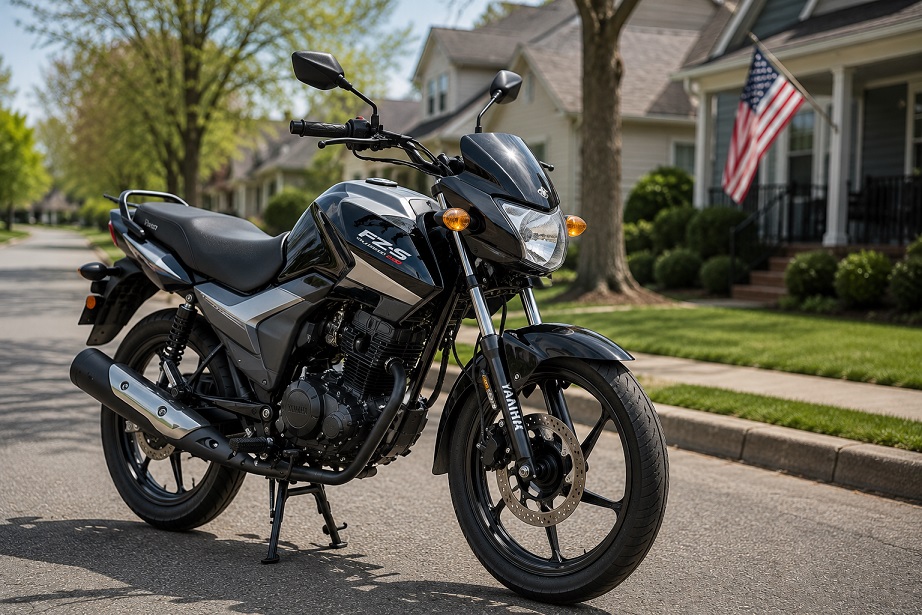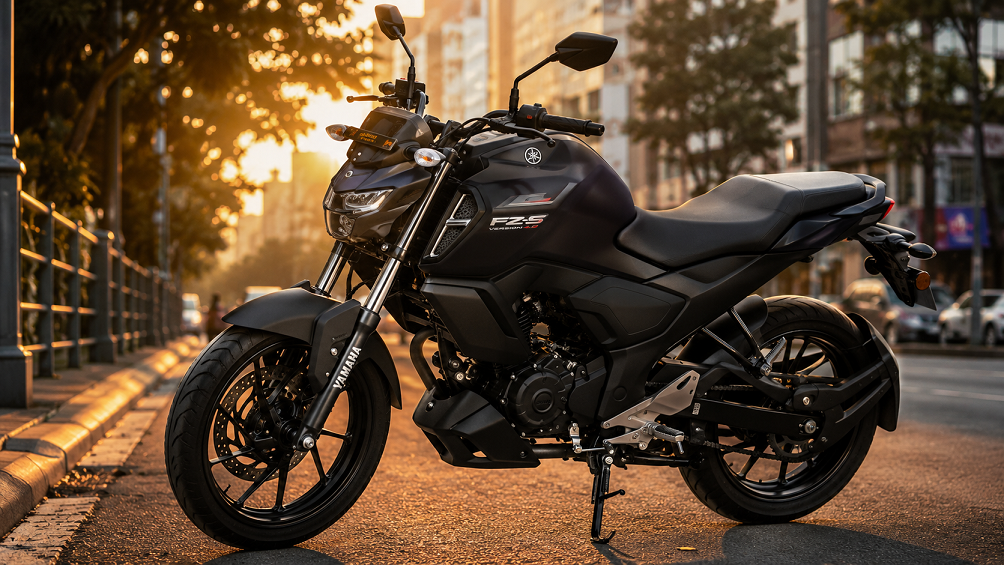
 YAMAHA
 SUZUKI
 HONDA
HONDA


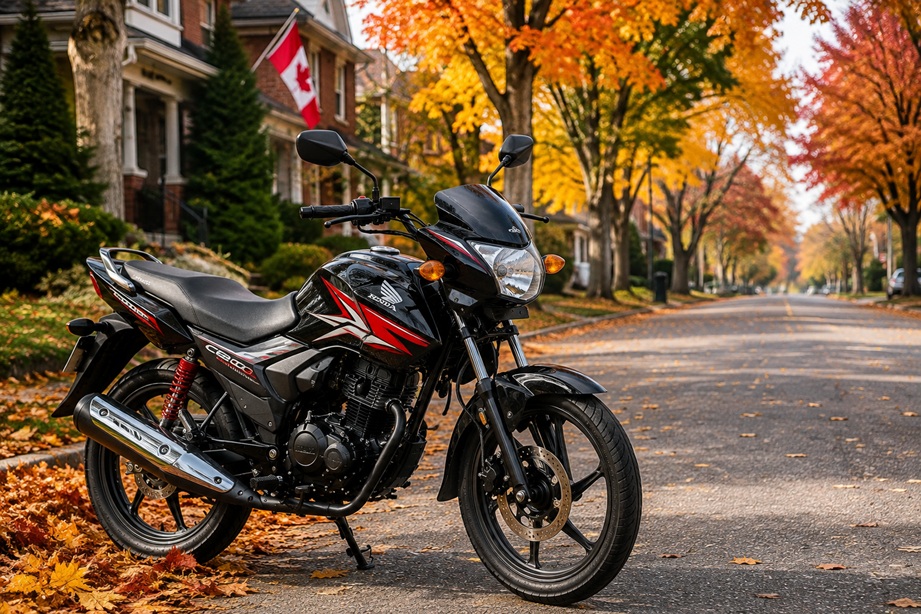
Best Commuter Motorcycles in Canada 2026: Seasonal Riding & Buying Guide
Short riding seasons, cold-weather storage, and provincial licensing rules all shape what makes sense for Canadian riders.
Motorcycle ownership in Canada comes with a challenge most warmer-climate riders never think about: a genuinely short riding season in much of the country, followed by months of cold-weather storage. Add provincial licensing differences and insurance costs that vary significantly by region, and buying the "right" bike in Canada requires a bit more planning than in year-round riding markets. Here's what to know before buying in 2026.
Riding Season Length Varies Dramatically by Province
Unlike Gulf countries or Malaysia where riding happens year-round, most of Canada has a defined riding season — often just 5 to 7 months in much of the country, longer in coastal British Columbia, shorter in the Prairies and northern regions. This affects both your buying decision and your budgeting:
- A shorter riding season means your bike needs proper cold-weather storage preparation for several months each year
- Insurance in some provinces allows seasonal or "storage" policies during off-season months, which can meaningfully reduce annual costs
- Resale timing matters — buying in early spring often means paying a premium compared to buying in fall
Provincial Licensing Differences
Motorcycle licensing in Canada is managed provincially, not federally, which means requirements can differ meaningfully depending on where you live:
- Most provinces require a separate motorcycle licence class or endorsement, often involving a graduated licensing system for new riders
- Some provinces mandate a minimum learner period before a full licence can be obtained
- Approved rider training courses can sometimes reduce the learner period or lower insurance costs, depending on the province
Since rules and requirements are updated periodically and vary by province, always check directly with your provincial licensing authority before assuming what applies elsewhere in Canada applies to you.
| Consideration | Why It Matters in Canada |
|---|---|
| Seasonal storage prep | Prevents battery, fuel system, and corrosion issues over winter |
| Provincial licensing rules | Requirements differ significantly by province |
| Cold-start reliability | Matters for riders in shoulder-season cool weather |
| Corrosion resistance | Road salt exposure in many regions accelerates rust |
Insurance: What Affects Your Premium in Canada
Motorcycle insurance costs in Canada vary based on several factors worth understanding before buying:
- Province of residence — premiums can differ substantially across provinces
- Riding experience and history — new riders typically pay more until building a clean record
- Seasonal vs year-round coverage — some insurers offer reduced-rate storage policies for off-season months
- Bike type and value — sport bikes generally cost more to insure than standard or cruiser-style commuters
Cold-Climate Riding Gear Considerations
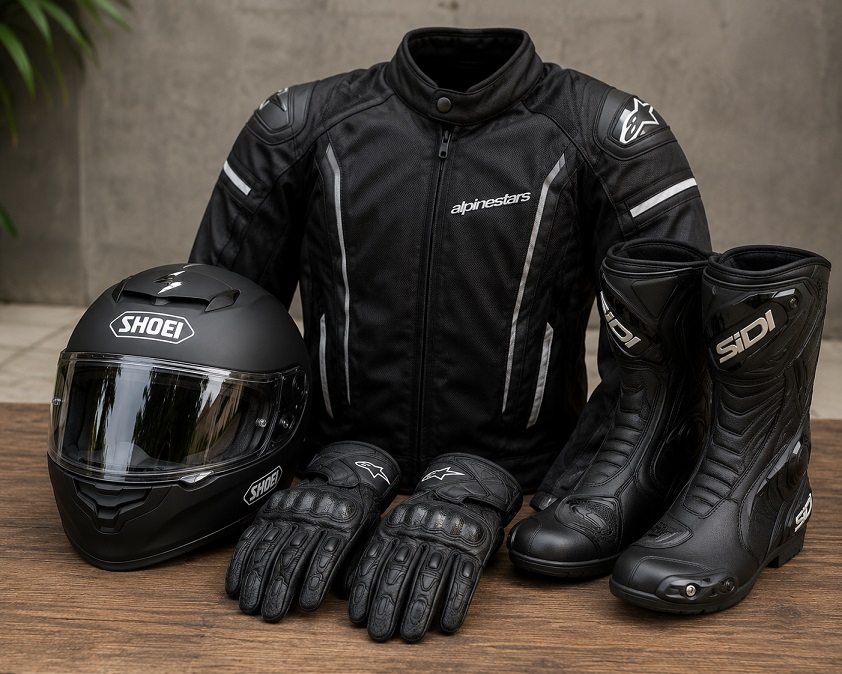
Beyond the bike itself, Canadian riders in shoulder seasons (spring and fall) often need layering systems that warmer-climate guides don't typically cover:
- Heated grips or heated gear for early-season and late-season rides
- Windproof, insulated layers underneath standard riding jackets
- Waterproof gear, since spring riding often coincides with wet conditions
Best Bike Categories for Canadian Commuters
- Urban commuters (Toronto, Vancouver, Montreal): Lighter, maneuverable bikes suited to city traffic and parking constraints.
- Suburban/highway commuters: Mid-size bikes with good highway stability for longer commute distances common outside major city cores.
- Weekend/seasonal riders: Riders who only ride recreationally during peak season may prioritize comfort and touring capability over daily practicality.
Final Thoughts
Buying a motorcycle in Canada in 2026 means planning around a defined riding season, understanding your specific province's licensing rules, and budgeting for proper winter storage if you're not riding year-round. Prioritize cold-start reliability and corrosion resistance if you're in a region with road salt, and consider seasonal insurance policies to reduce off-season costs. With the right preparation, motorcycle commuting remains a genuinely cost-effective option for Canadian riders during the months your province allows it.