 YAMAHA
 SUZUKI
 HONDA
HONDA


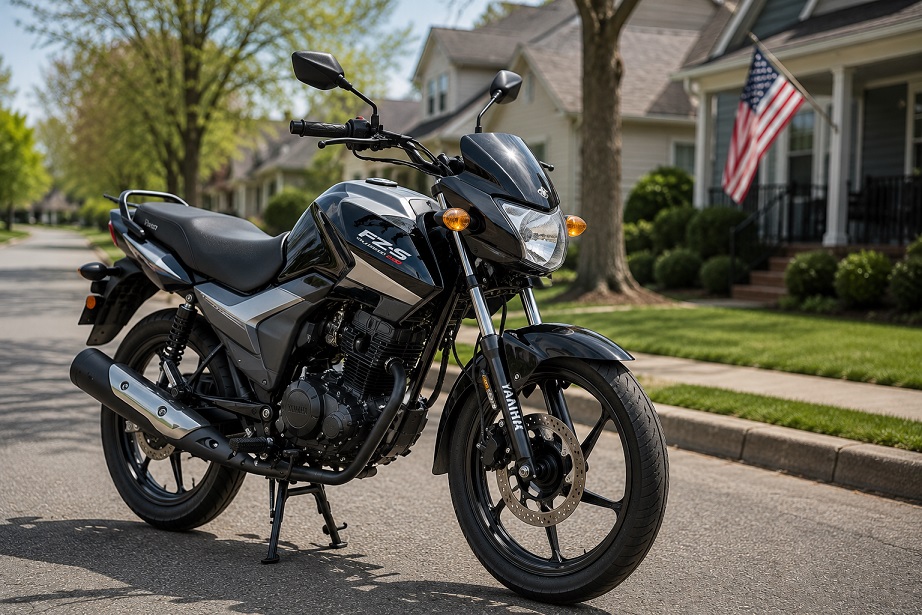
Best Commuter Motorcycles in the USA 2026: What Riders Should Know Before Buying
Licensing, insurance, and model availability differ a lot from other markets — here's what actually matters for US riders.
The US motorcycle market works differently from most of the world. Licensing requirements vary by state, insurance costs can swing wildly based on your zip code, and the models considered "commuter bikes" elsewhere often get marketed as beginner or lightweight bikes here. If you're a rider in the USA looking for a practical daily commuter in 2026, this guide covers exactly what to expect and how to shop smart.
Understanding the US Motorcycle Licensing Landscape
Before even shopping for a bike, it helps to understand how licensing affects your choice:
- Most states require a separate motorcycle endorsement on your driver's license, obtained through a written test and often a skills course.
- Many states offer a Motorcycle Safety Foundation (MSF) course, which can waive the skills test and sometimes reduce your insurance premium.
- Some states have engine size restrictions for new or younger riders during a permit period, so check your state's DMV rules before committing to a bike.
What "Commuter Bike" Means in the US Market
In many countries, 125cc–150cc bikes dominate daily commuting. In the US, riders commuting on highways or longer suburban routes often need slightly larger displacement for safety and comfort at higher speeds. As a result, popular US commuter categories typically include:
| Category | Typical Use Case |
|---|---|
| 250cc–300cc lightweight bikes | City and suburban commuting, new riders |
| 300cc–500cc mid-size bikes | Mixed city/highway commuting |
| Standard/naked bikes 500cc+ | Longer commutes with regular highway riding |
This is one of the biggest differences from Gulf or South Asian markets, where 125cc–150cc bikes remain the default choice — US highway speeds and longer average commute distances usually call for a bit more engine capacity.
Insurance: The Cost Factor Many Riders Underestimate
Motorcycle insurance in the US varies dramatically depending on:
- Your state — some states have significantly higher average premiums than others
- Your riding history — new riders typically pay more until they build a clean record
- The bike's engine size and value — larger, more powerful bikes usually cost more to insure
- Completion of a safety course — many insurers offer discounts for MSF-certified riders
Before finalizing a purchase, get insurance quotes for your specific model. It's not uncommon for insurance cost differences between two similar bikes to influence which one actually makes financial sense.
Fuel Costs and Real-World Mileage in the US
With generally longer commute distances than many other countries, fuel efficiency matters just as much in the US — if not more. A bike that gets noticeably better real-world mileage can save hundreds of dollars annually for riders commuting 30+ miles round trip daily.
Where to Buy: New Dealerships vs Used Marketplaces
US riders generally have three main paths to purchase:
- Authorized dealerships — higher prices but full warranty and financing options
- Certified pre-owned programs — a middle ground with some warranty coverage at a lower price
- Private used marketplaces — the lowest prices, but requires careful inspection and title verification
Whichever route you choose, always verify the title is clean (not salvage or rebuilt) and check the VIN history before completing a used purchase.
Climate Considerations Across the US
Depending on which state you're riding in, climate plays a real role in bike choice and maintenance:
- Hot, dry climates (Southwest): prioritize good cooling systems and UV-resistant seat materials.
- Cold, wet climates (Northeast, Pacific Northwest): prioritize corrosion resistance and good wet-weather tires.
- Year-round riding states (parts of the South, California): focus more on long-term durability since the bike sees more annual mileage.
Final Thoughts
Buying a commuter motorcycle in the US in 2026 involves more moving parts than in many other markets — licensing rules, insurance costs, and typically longer commute distances all shape which bike actually makes sense. Take the time to check your state's specific licensing requirements, get real insurance quotes before buying, and match your engine size choice to your actual commute distance and road type rather than just following what's popular in other countries.