 YAMAHA
 SUZUKI
 HONDA
HONDA


Motorcycle Safety Gear Guide 2026: What Every Rider Actually Needs
Beyond the helmet: a practical breakdown of gear that actually protects you, not just gear that looks good.
Most new riders buy a helmet and call it done. But real protection comes from a full system of gear working together — and understanding what each piece actually does helps you spend your money where it matters most, instead of overpaying for style or underpaying on the parts that keep you safe.
This guide breaks down every essential category of motorcycle safety gear in 2026, what to look for in each, and where it's worth spending more.
Helmets: The One Piece You Should Never Compromise On
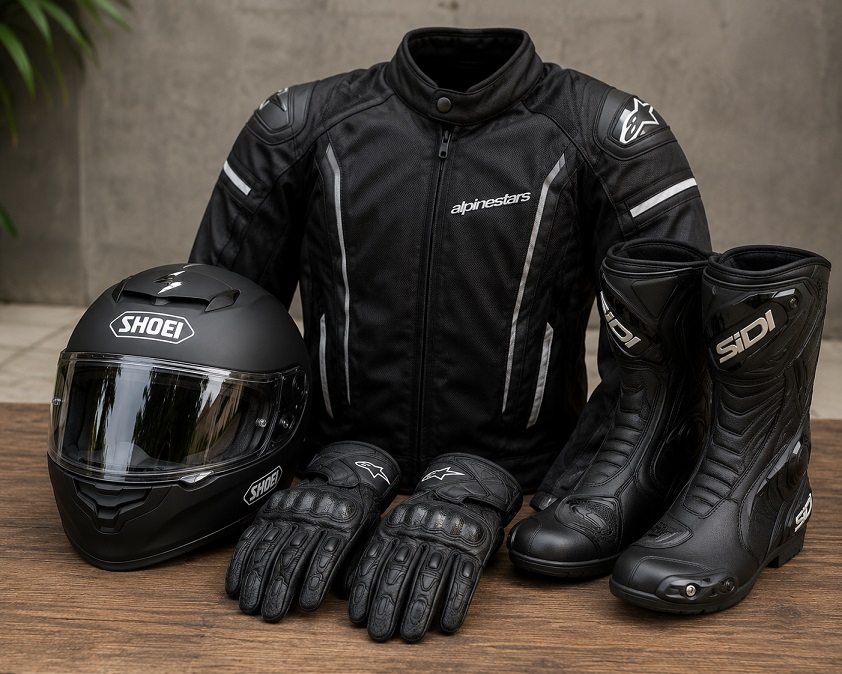
Your helmet is, without question, the single most important piece of safety gear you'll own. A few things matter more than brand name or looks:
- Certification matters most. Look for helmets certified to recognized safety standards for your region (such as DOT, ECE, or SNELL, depending on where you ride). Never buy a helmet without visible certification markings.
- Fit over style. A helmet that's technically top-rated but fits loosely offers far less real protection than a properly fitted mid-range helmet. Always try before buying if possible.
- Full-face vs open-face. Full-face helmets offer significantly more protection, particularly for the chin and jaw area, which are frequently impacted in crashes.
- Replace after any significant impact. Even without visible damage, a helmet's protective foam can be compromised after a crash and should be replaced, not reused.
Jackets: Protection Without Sacrificing Comfort
A good riding jacket does two jobs: abrasion resistance in a slide, and impact protection at key points.
What to Look For
- CE-rated armor at the shoulders and elbows, which absorbs impact far better than foam padding alone
- Abrasion-resistant material such as quality textile or leather, since road rash is one of the most common injuries in low-speed falls
- Ventilation options for hot climates — mesh or perforated jackets exist specifically for riders in warmer regions who still need protection without overheating
Gloves: Small Investment, Major Protection
Hands are almost instinctively used to break a fall, which makes glove quality far more important than most riders assume.
- Look for reinforced palms and knuckle protection
- Ensure a snug fit that doesn't restrict grip or clutch/brake control
- Avoid fashion-only gloves with no abrasion resistance, regardless of how they look
| Gear Item | Primary Protection Purpose | Key Feature to Prioritize |
|---|---|---|
| Helmet | Head and brain injury prevention | Certification + proper fit |
| Jacket | Abrasion & impact protection | CE-rated armor |
| Gloves | Hand protection in falls | Reinforced palm & knuckle guard |
| Riding Pants | Leg abrasion protection | Knee armor + abrasion-resistant fabric |
| Boots | Ankle & foot protection | Ankle support + non-slip sole |
Riding Pants: The Most Skipped Safety Item
Many riders wear regular jeans and assume it's "good enough." In reality, standard denim offers minimal abrasion resistance in a slide. Dedicated riding pants — with reinforced knee armor and abrasion-resistant material — provide dramatically better protection, especially for longer commutes where a fall is statistically more likely over time.
Boots: Often Overlooked, Genuinely Important
Ankles and feet are vulnerable in both low-speed drops and higher-speed accidents. Proper riding boots offer:
- Ankle support that regular sneakers simply don't provide
- Reinforced toe and heel areas
- Non-slip soles for better grip on foot pegs and pavement
Climate-Specific Gear Adjustments
Your ideal gear setup should adapt to where you actually ride:
- Hot, humid, or desert climates: Prioritize ventilated/mesh jackets and gloves with breathable panels, without sacrificing armor quality.
- Wet or monsoon-prone climates: Look for waterproof or water-resistant outer layers, and gloves with good wet-grip material.
- Cooler climates: Layering systems with removable thermal liners offer flexibility across variable temperatures.
How Much Should You Actually Spend?
Quality safety gear doesn't have to mean the most expensive options on the market. Focus your budget on certified protection at key impact points rather than premium branding. A well-chosen mid-range gear set with proper certification will often outperform an expensive but poorly fitted or uncertified alternative.
Final Thoughts
Motorcycle safety gear works as a complete system, not a single item. A quality helmet is non-negotiable, but jackets, gloves, pants, and boots each protect different parts of your body in different types of falls. Prioritize certified protection over style, adjust your gear choices to your local climate, and upgrade gradually if needed — starting with the pieces that protect you most. The right gear won't just make you safer; it makes every ride more comfortable, too.