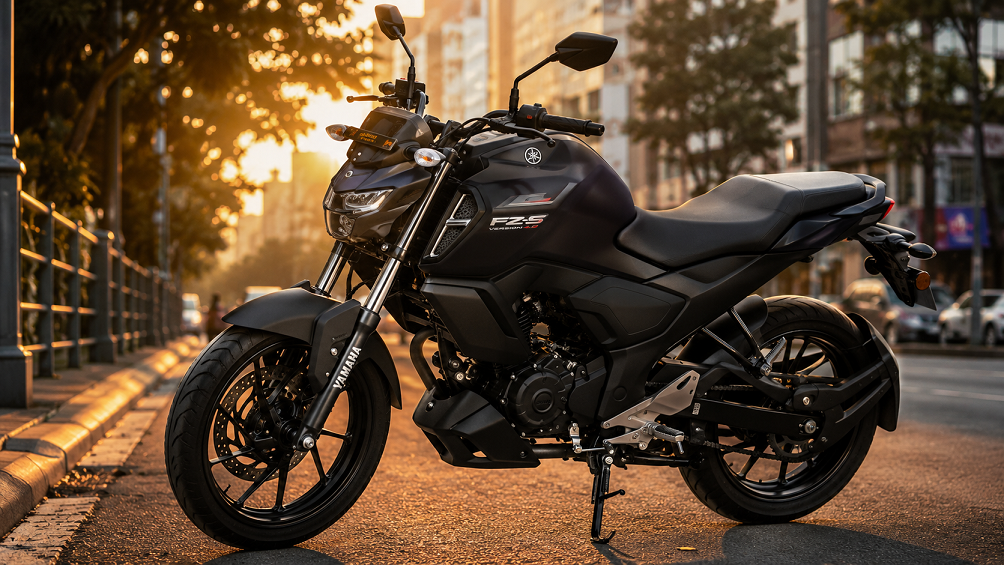
 YAMAHA
 SUZUKI
 HONDA
HONDA



Best Motorcycle Helmets to Buy in 2026: Complete Buying Guide
How to choose the right helmet type, fit, and certification — without overpaying for features you don't need.
A helmet is the one purchase where cutting corners simply isn't worth it. But "best helmet" doesn't mean the most expensive one — it means the one that's properly certified, fits your head shape correctly, and matches how and where you actually ride. This guide walks through exactly how to choose, so you can shop with confidence instead of guessing.
Step 1: Understand the Different Helmet Types
Before comparing brands or prices, figure out which category actually fits your riding style.
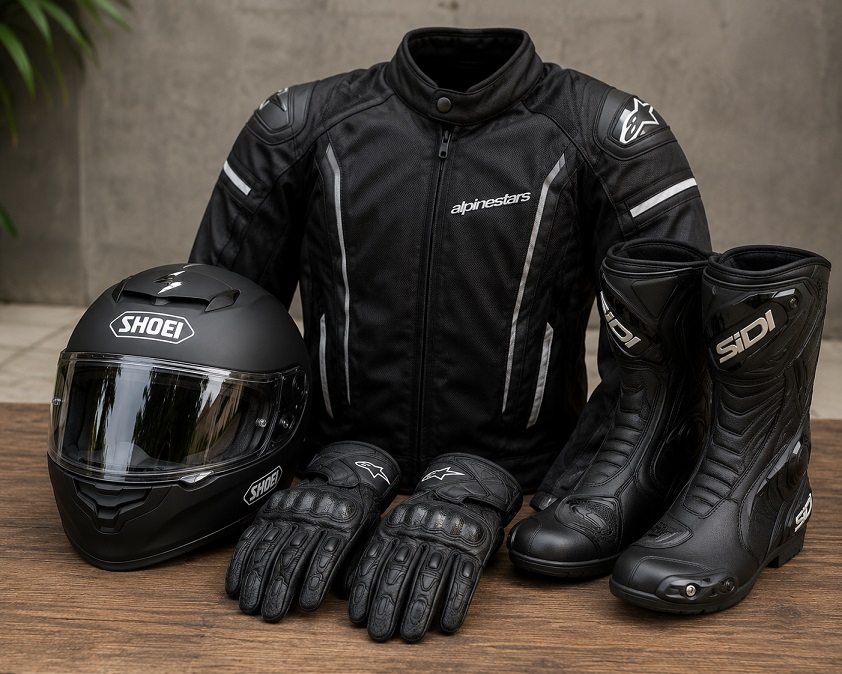
Full-Face Helmets
Offer the most complete protection, covering the chin and jaw — the areas most frequently impacted in crashes. The best choice for daily commuters, highway riders, and anyone prioritizing maximum protection.
Modular (Flip-Up) Helmets
A hybrid design that lets you flip the chin bar up, combining full-face protection with the convenience of an open-face helmet when stopped. Popular among commuters who want flexibility without fully sacrificing protection.
Open-Face Helmets
Cover the top and sides of the head but leave the face exposed. Offer less protection than full-face options, particularly for the chin and jaw, so they're better suited to low-speed city riding than highway commuting.
Half Helmets
Provide minimal coverage and the least protection of any category. Generally not recommended as a primary helmet for regular commuting, regardless of local legal minimums.
| Helmet Type | Protection Level | Best For |
|---|---|---|
| Full-Face | Highest | Daily commuting, highway riding |
| Modular | High | Commuters wanting flexibility |
| Open-Face | Moderate | Low-speed city riding |
| Half Helmet | Minimal | Not recommended as primary gear |
Step 2: Check Certification Before Anything Else
Certification is non-negotiable, regardless of how good a helmet looks or what a seller claims. Depending on your country, look for recognized standards such as DOT (common in the US), ECE (common across Europe, UK, and many other markets), or SNELL (an additional voluntary standard some manufacturers meet). Never buy a helmet without a visible, verifiable certification label — uncertified helmets may look similar but offer dramatically less real-world protection.
Step 3: Get the Fit Right
A top-certified helmet with poor fit offers significantly less real protection than a properly fitted mid-range one. Keep these fit principles in mind:
- The helmet should feel snug all around without painful pressure points
- Cheek pads should touch your cheeks without excessive looseness
- It shouldn't shift when you shake your head firmly side to side
- Different brands use different head-shape molds (round, intermediate oval, long oval) — a size that fits perfectly in one brand may not fit the same in another
Step 4: Match Ventilation to Your Climate
Ventilation design should reflect where you actually ride:
- Hot or humid climates: Prioritize helmets with multiple intake and exhaust vents, and consider models specifically marketed for warm-weather riding.
- Cold or wet climates: Look for helmets with closable vents and good anti-fog visor coatings or pinlock compatibility.
- Variable climates: Adjustable venting systems offer the most flexibility across seasons.
Step 5: Consider Visor and Lens Options
Modern helmets often support interchangeable visors, which is worth considering:
- Clear visors for general and night riding
- Tinted or photochromic visors for bright daytime conditions
- Anti-fog or pinlock-ready visors particularly valuable in humid or rainy climates
How Much Should You Spend?
Helmet pricing varies widely, but the key principle remains the same at every budget: certification and proper fit matter more than premium branding. A well-fitted, certified mid-range helmet from a reputable manufacturer will protect you better than an expensive helmet that doesn't fit your head shape correctly. That said, higher-priced helmets often add genuine value through better ventilation systems, lighter shell materials (reducing neck fatigue on long rides), and improved noise reduction.
When to Replace Your Helmet
- After any crash or significant impact, even without visible damage — the protective foam liner can be compromised internally
- Every 5–7 years as a general guideline, since materials degrade with UV exposure, sweat, and age even without impacts
- If the interior padding becomes compressed or loose enough to affect fit
Final Thoughts
Choosing the right motorcycle helmet in 2026 comes down to four things, in this order: proper certification, correct fit for your head shape, the right protection level for how you ride, and ventilation matched to your climate. Get those right, and you're protected regardless of price point. Skip any of them — especially certification or fit — and even an expensive helmet won't protect you the way it should.